

I joined Rypplzz [ rip - uhlz ] as the first design hire on the founding team. Over 10 years I led Rypplzz and LightPlay from 0 to 1 across iOS and Android, built the full brand identity, and helped scale the platform across consumer activations, industry partnerships, and licensed deployments.
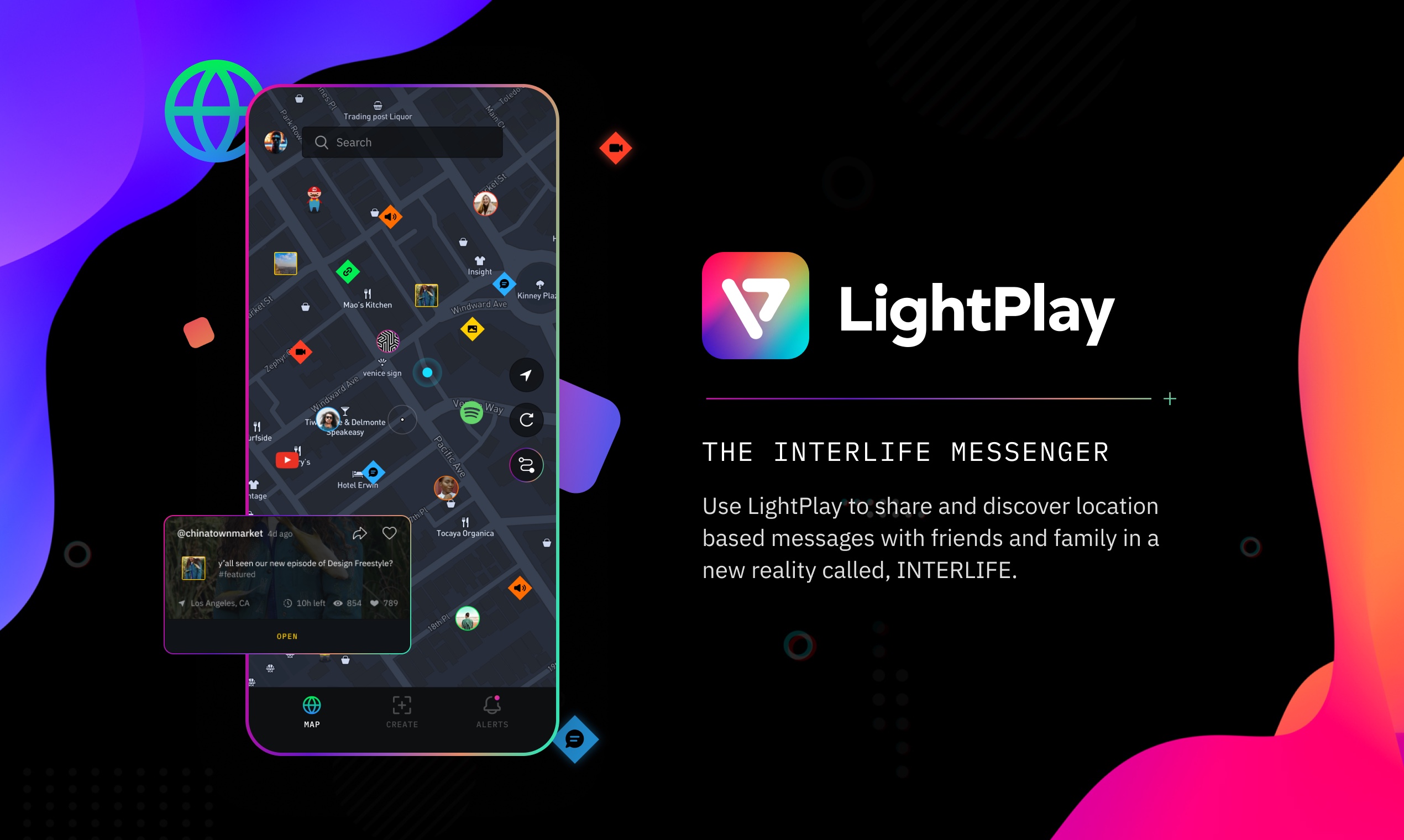
Rypplzz developed InterLife, a patented spatial computing system that works like the internet but tied to physical space. Just as you need Safari or Chrome to access the web, you need a browser to access the spatial web. LightPlay is that browser.
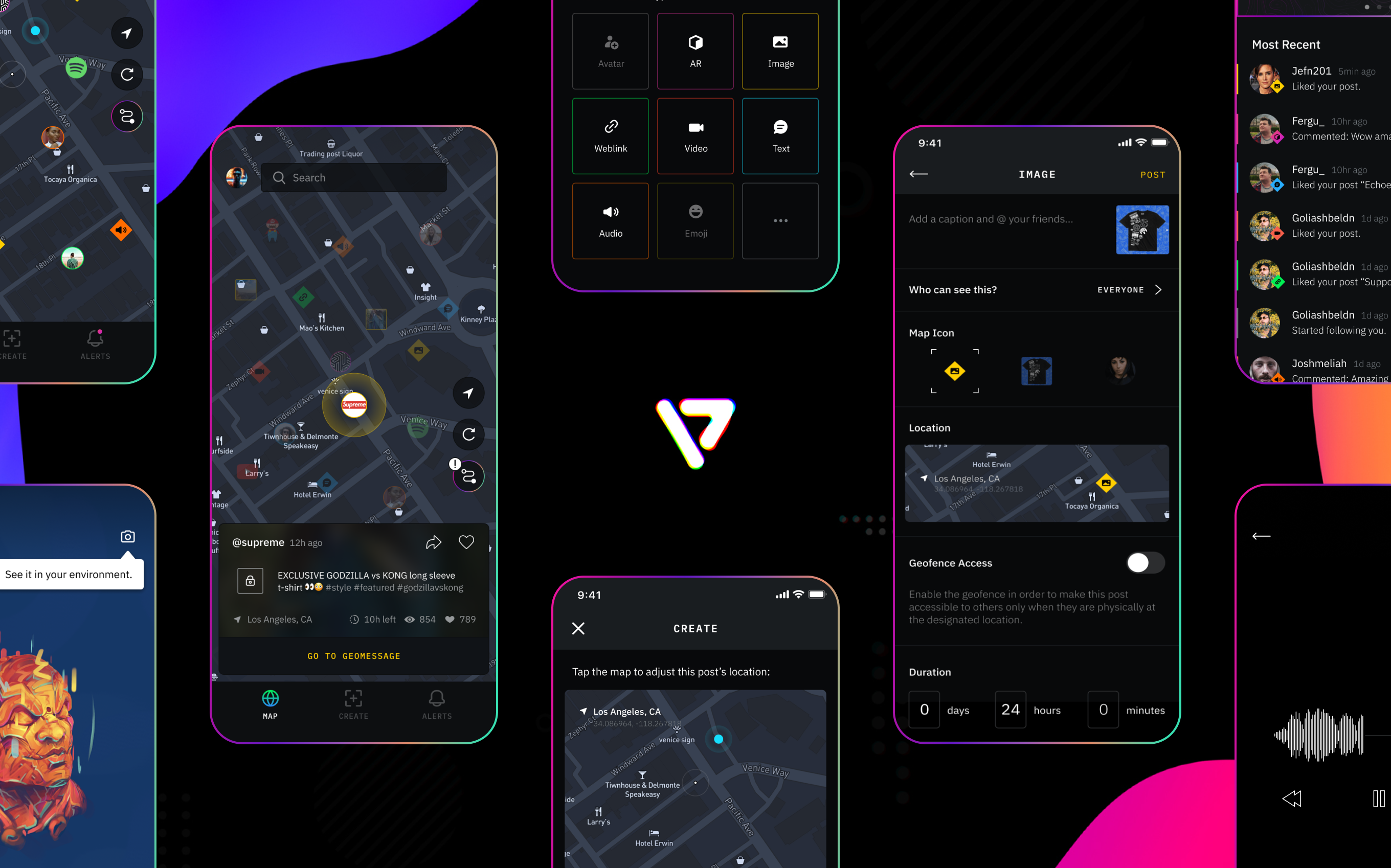
The conventions existed. Maps, feeds, posts, camera interfaces, we had all of it to draw from. The problem was that every one of those patterns assumed the screen was the whole world. LightPlay's content lived in physical space, which changed what the patterns meant. A pin on a map tells you where something is. A pin in LightPlay tells you to go there. Every interaction we borrowed had to be re-examined against a question the original never had to answer: what happens when the user has to move their body to reach the content?
PHASE 1 PROVING THE CONCEPTThe first question was the most fundamental: can this even work?



We designed FanScreen at Staples Center (now Crypto.com Arena) in partnership with pro hockey team, the Los Angeles Kings, and AEG (Anschutz Entertainment Group), the world's largest owner of sports teams and events. The entire arena became a collective LED display driven by fan location data. Each fan's wearable acted as a pixel. Color commands responded to precise location in real time. Patterns were selected by fans during live game interactions.
#1
Trending app in the App Store weekend of event
6,000+
Registered users
40%
Marketing opt-in rate from a single Instagram post and door handout
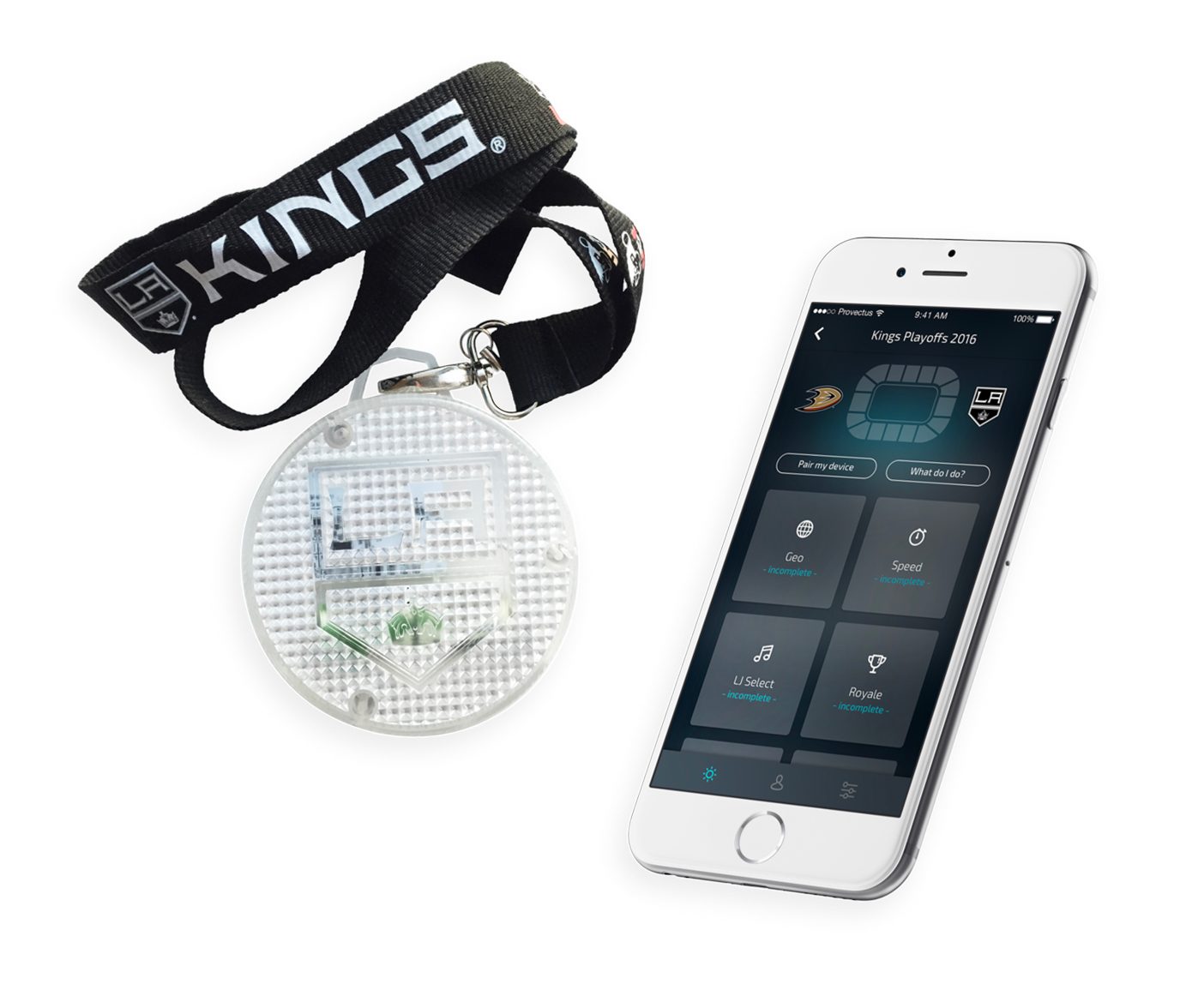
The LA Kings activation was a consumption experience. Users showed up, the platform responded to their presence, and the arena came alive around them. But what came next was a fundamentally different ask.
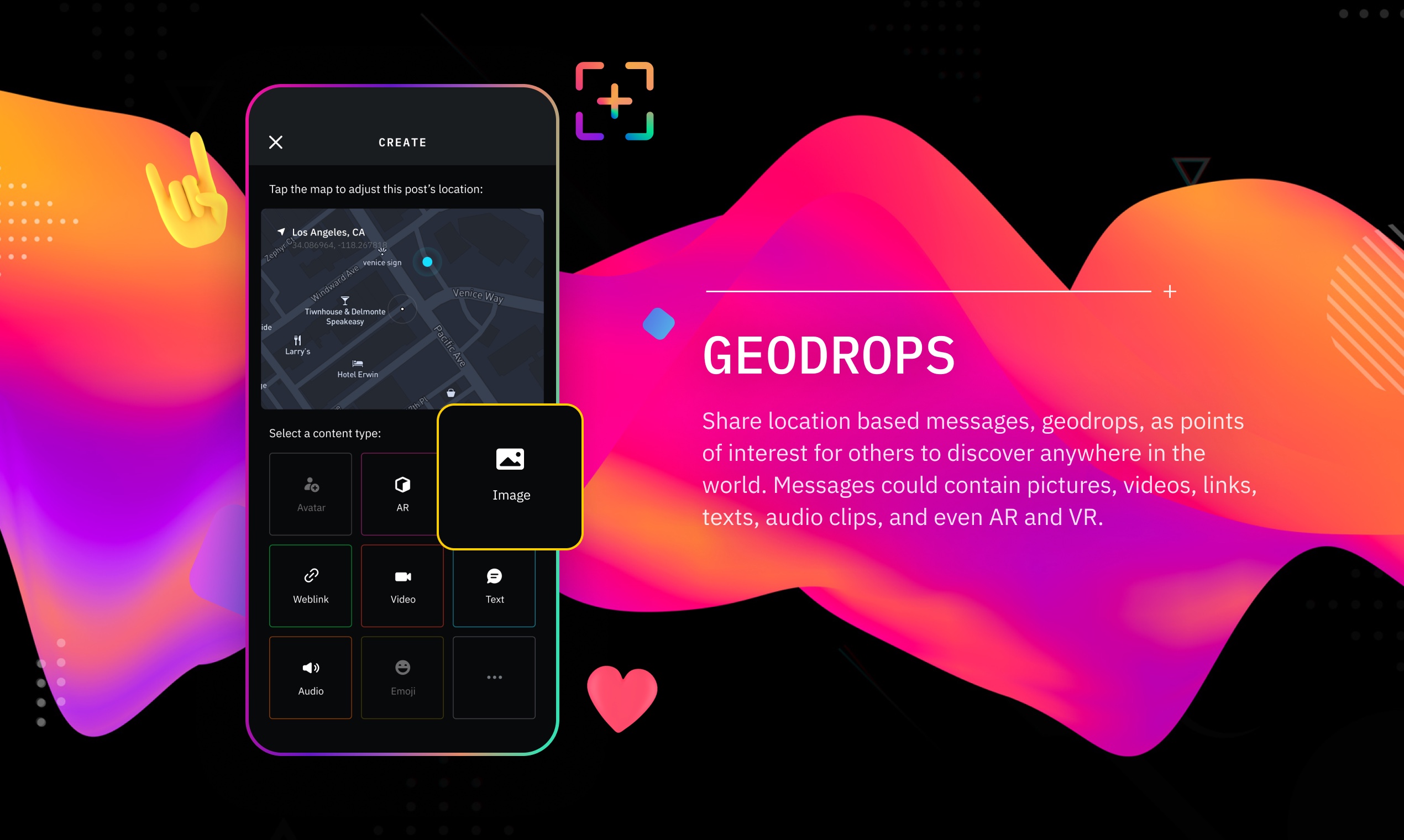
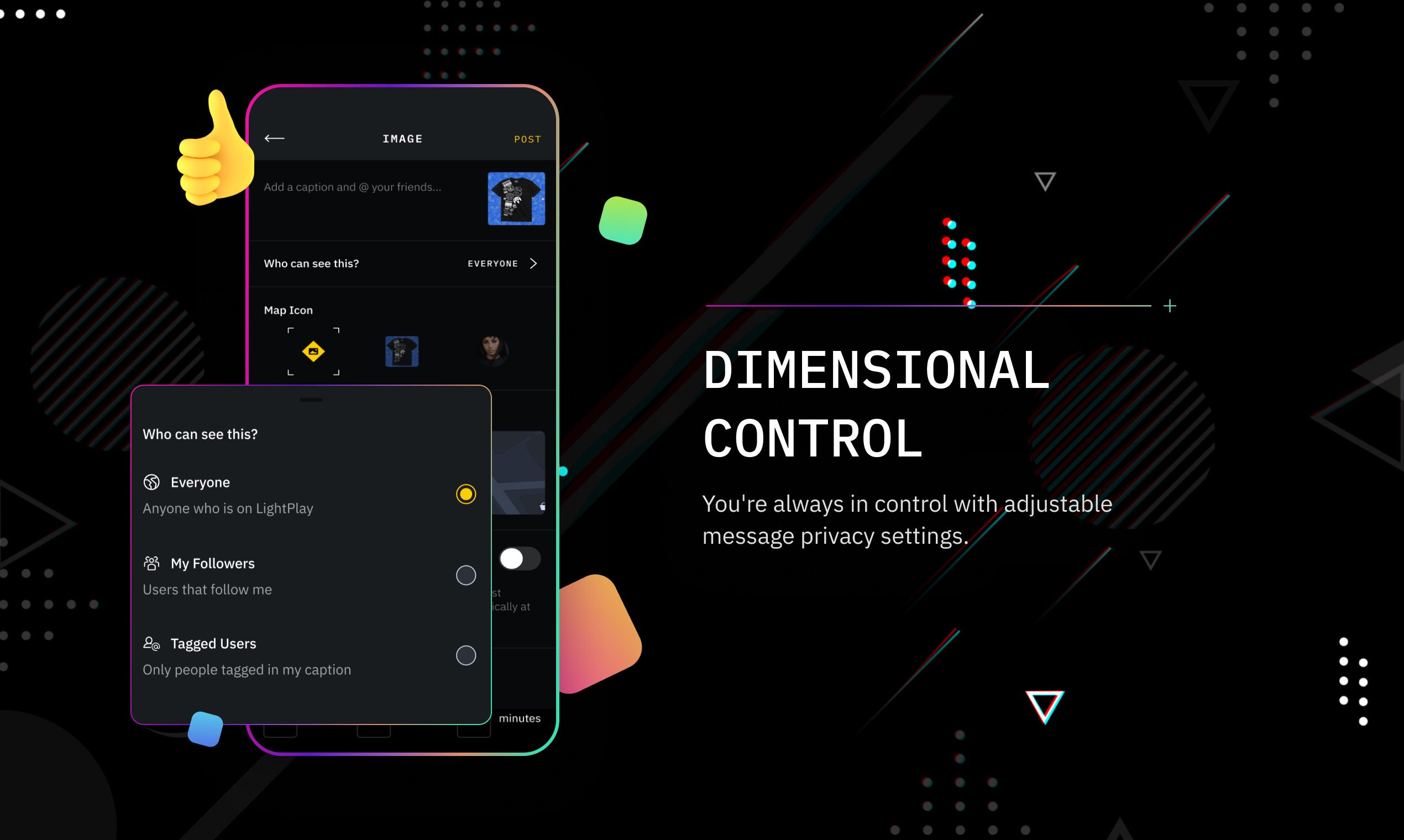
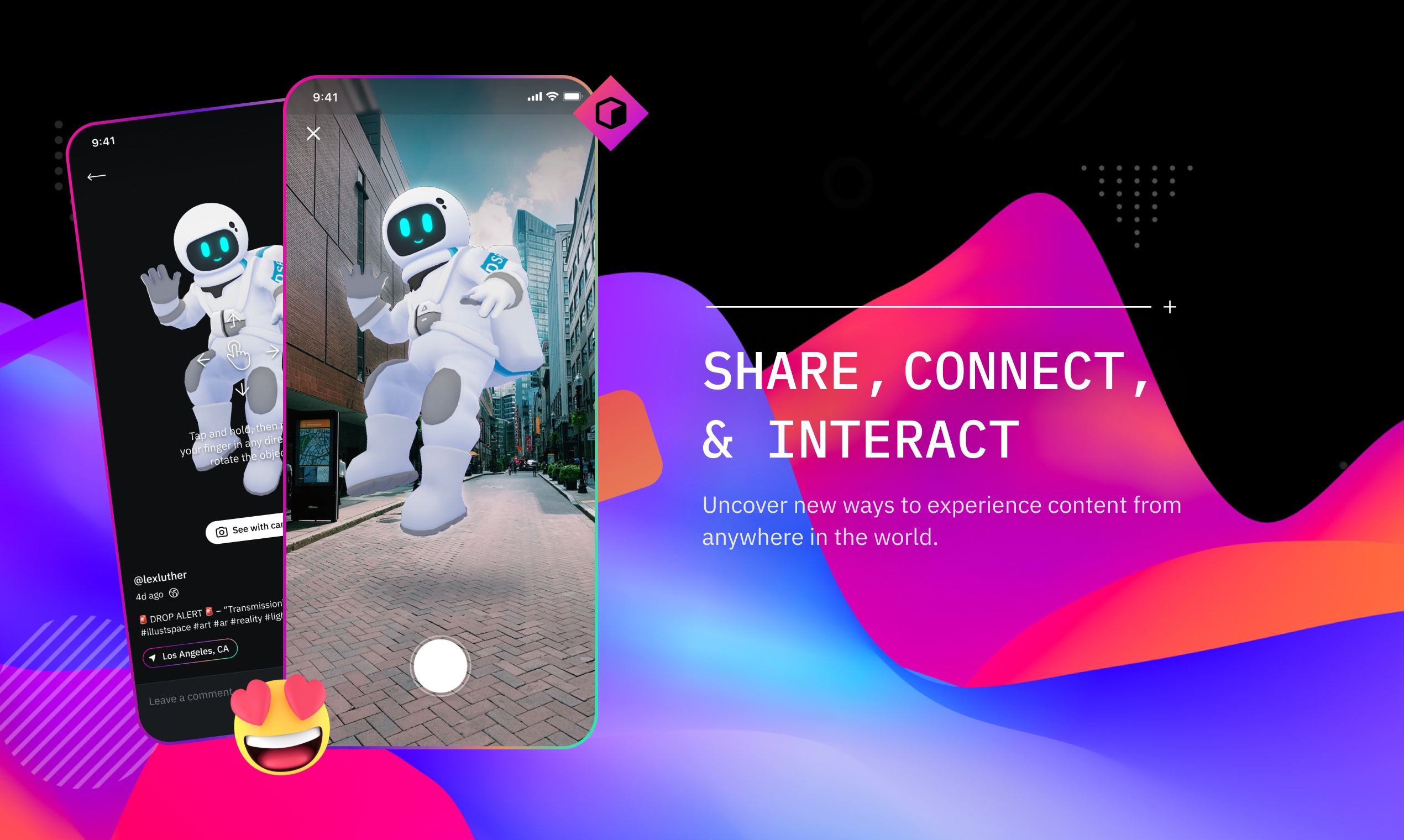
As LightPlay evolved, the product shifted from letting users experience digi-physical content to letting them create and publish it. Now anyone could leave a digital mark on a physical location, visible to anyone who passed through that space. That is not a harder version of what LightPlay already did. It is a different product built on the same foundation, asking users to develop an entirely new behavior with no frame of reference for what it even meant.
Moving from a single controlled activation to a general-use product exposed problems that only emerge at scale. Two had to be solved before the platform could grow.
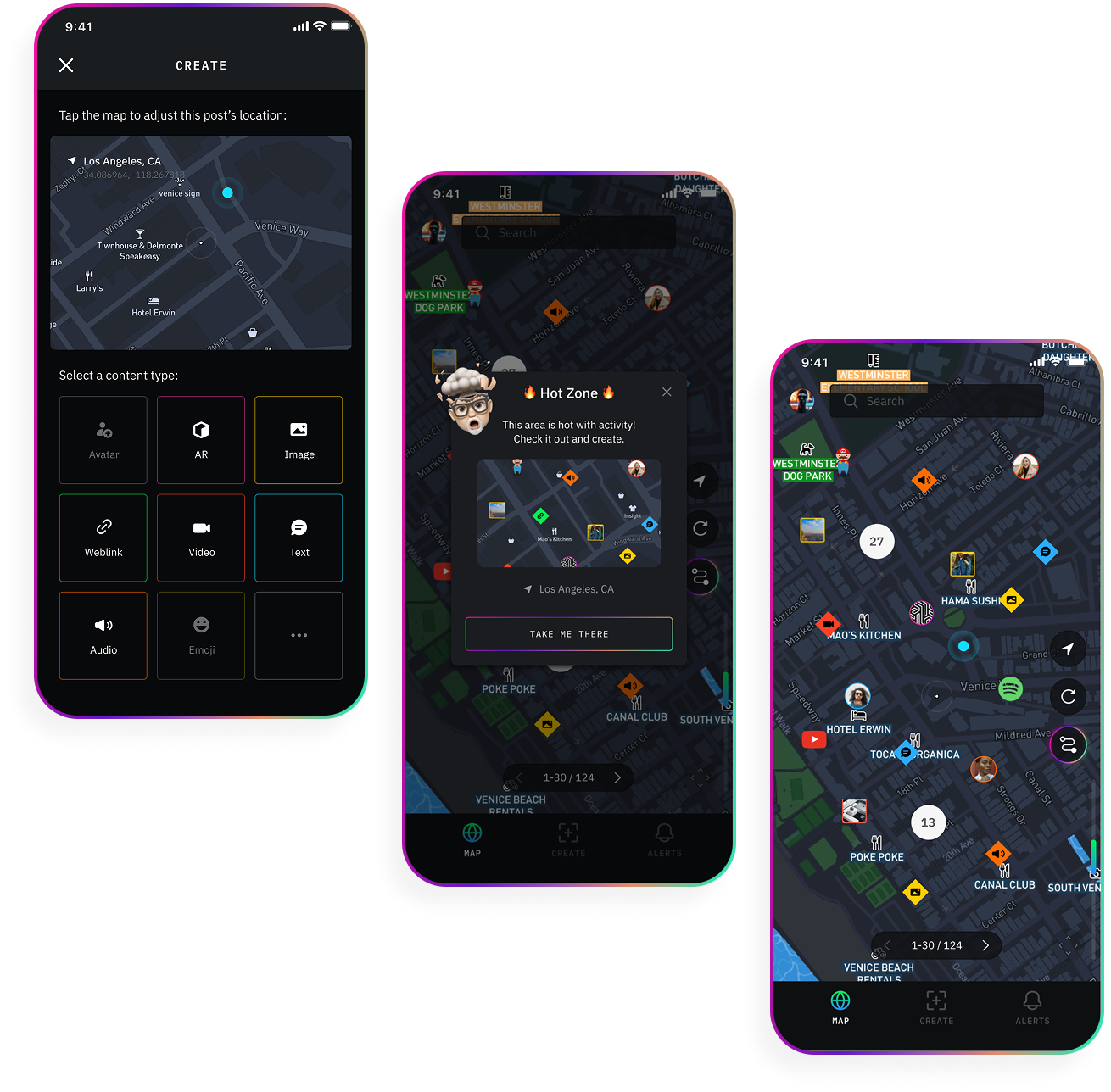
Solving the Create ExperienceEach activation taught us how users actually approached content creation. The core finding: users needed multiple ways in, not one. We built a layered entry point system. A nav bar CTA for the full flow. Press-and-hold on the map to start from a specific location. Contextual recommendations based on where users were. Push notifications for users who needed a reason to start. Meeting users at their point of intent reduced decision paralysis. 30-day retention increased 30%.
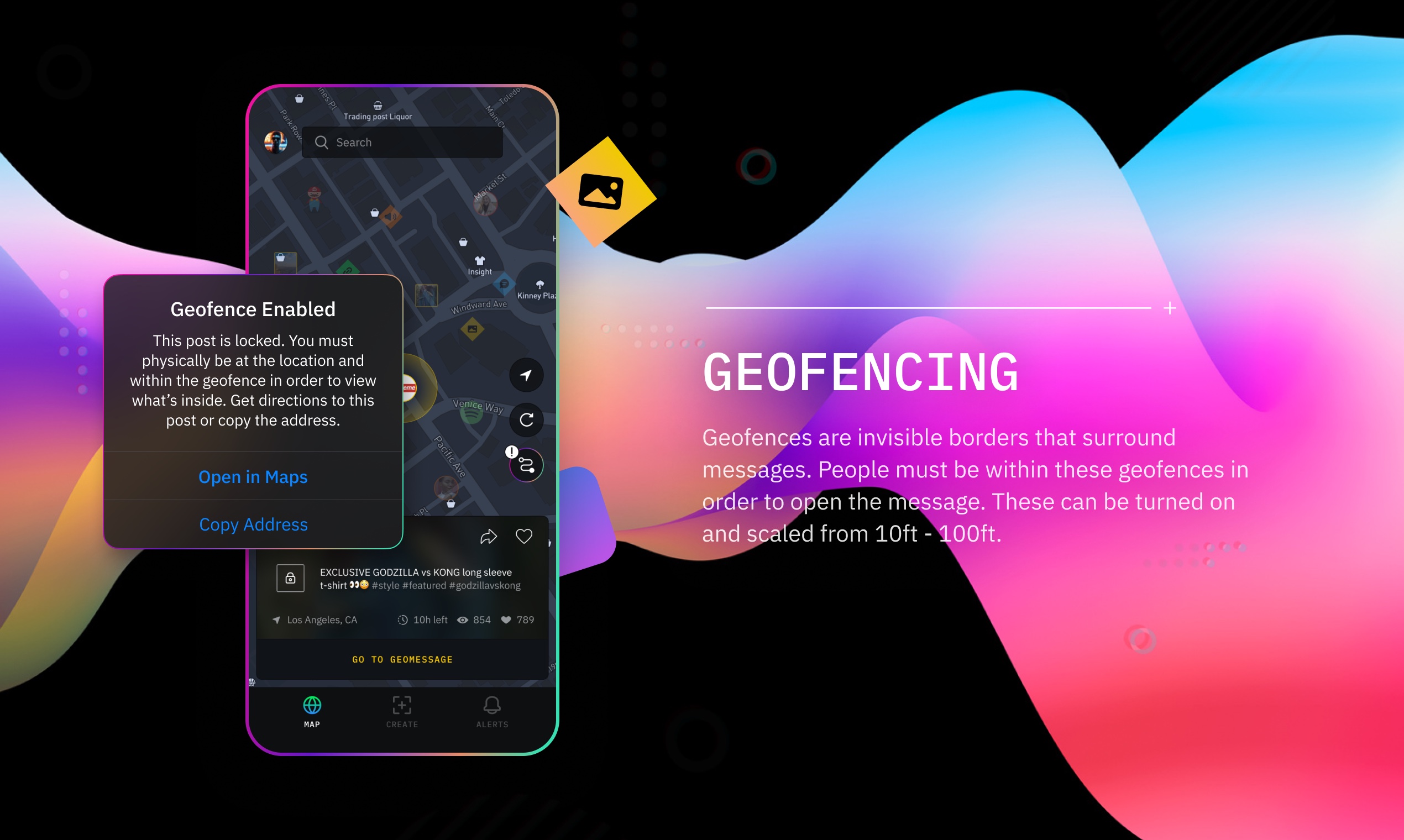
Solving the MapShowing every content point at once destroyed device performance. I worked with engineering to implement a batched results model. A maximum number of points loaded at a time, with the ability to cycle to the next batch. Same approach Yelp and Zillow use to handle density. Load times improved by 60%.
After the LA Kings, each deployment pushed the platform into new territory. Grimes at Ultra Miami became the first augmented reality rave. 74% App Store conversion rate during the activation, nearly three times industry average. An NFL Fanfest proof of concept closed a multi-year partnership. The Tucson Convention Center licensed the platform to build a civic history app covering the communities displaced by the city's development. 70+ AR installations and digital displays, launched with a city ribbon-cutting ceremony.
Same platform. Different context. Different users. Different stakes.



- NFL multi-year partnership closed from a single proof of concept
- Platform licensed across sports, entertainment, and civic sectors over 10 years
- Number one trending App Store app during the LA Kings activation
- 6,000+ registered users and 40% marketing opt-in from a single Instagram post and door handout
- 30-day retention up 30% after layered entry point system
- Map load times improved 60%
- Design revision cycles cut from 4 rounds to 2